Heavenly Coconut Buttercream Frosting: A Tropical Twist for Your Sweet Treats
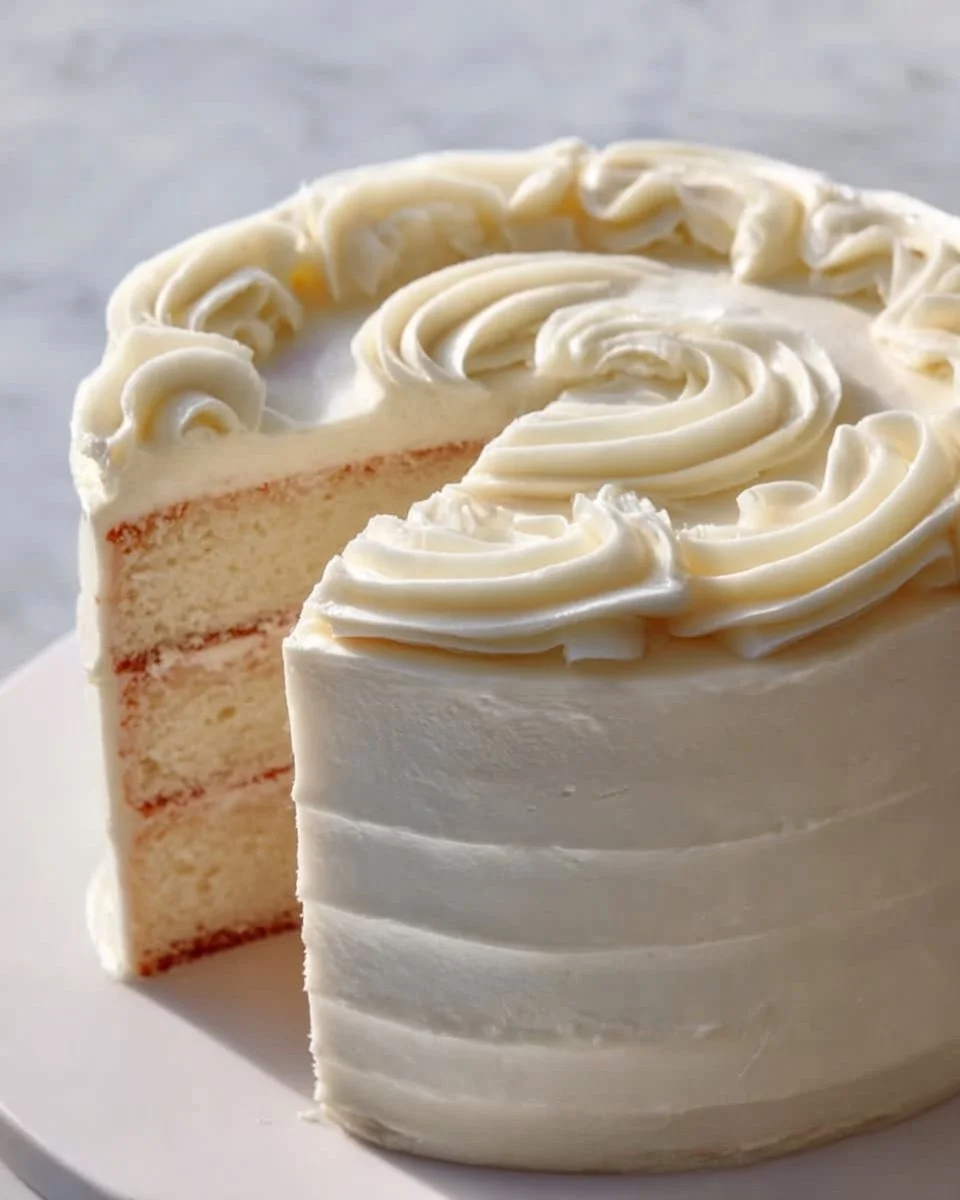
There’s something undeniably magical about the taste of coconut that transports me back to sun-soaked afternoons at my grandmother’s kitchen, surrounded by the aroma of freshly baked goods. I vividly remember her making a creamy Coconut Buttercream Frosting, slathered generously between layers of her moist vanilla cake. It wasn’t just frosting; it was a bridge to those precious family moments, bringing comfort in every sweet bite. Ever since, I’ve been on a quest to recreate that flavorful joy, and I can say with confidence that this Coconut Buttercream Frosting is the best version I’ve ever made!
What sets this frosting apart is its perfect balance of sweetness and luscious coconut flavor, made with real coconut milk and shredded coconut. Unlike store-bought options that can taste artificial or over-sweetened, this recipe invites the natural flavors of coconut and offers a delightful, creamy texture that will leave you and your guests begging for more.
In this post, I promise to share everything you need to know about creating the ultimate Coconut Buttercream Frosting—fluffy, easy to spread, and irresistibly delicious. Get ready to elevate your baking game and sprinkle a hint of paradise onto your desserts!
What Are Coconut Buttercream Frosting?
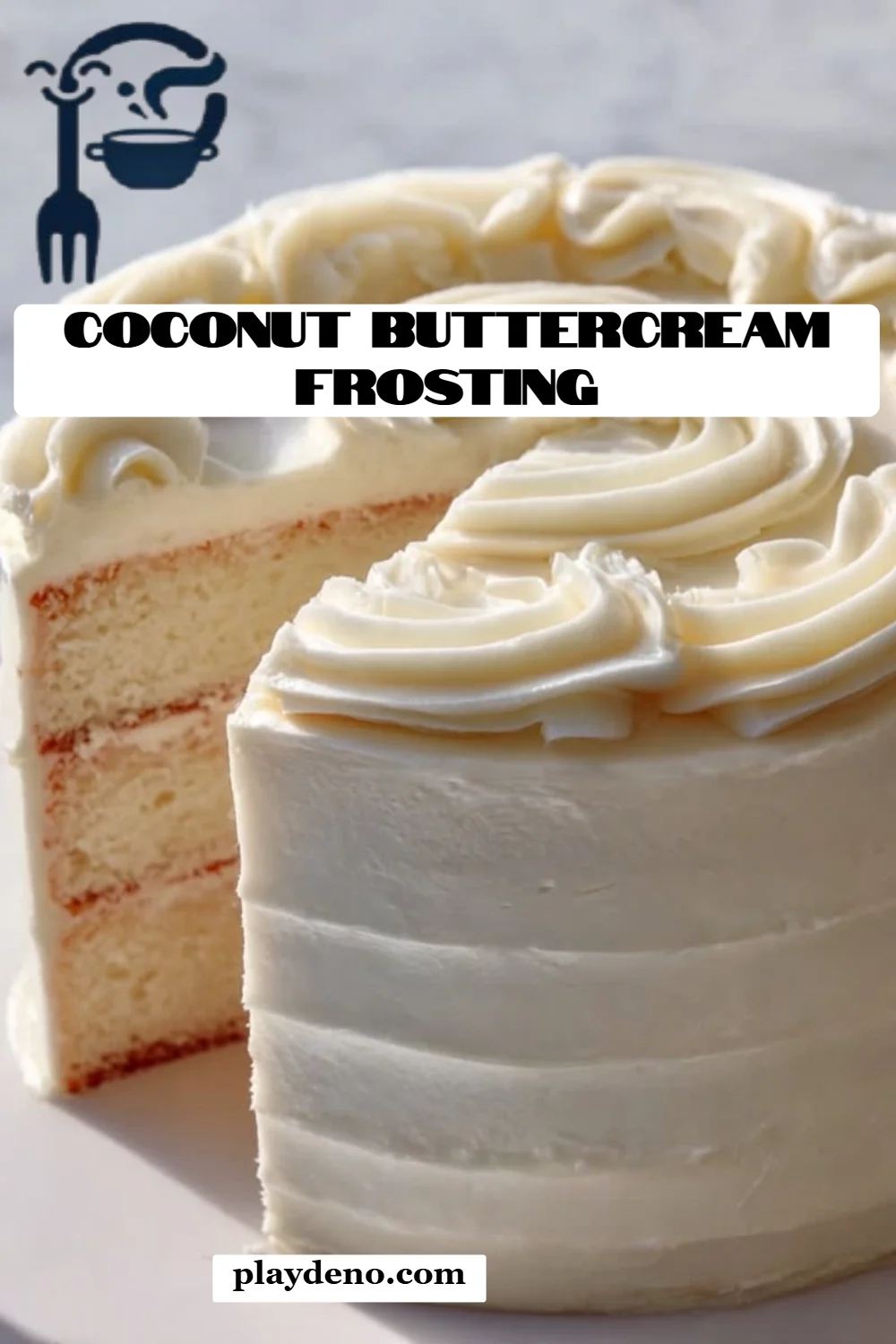
Coconut Buttercream Frosting has its origins deeply rooted in beautiful tropical landscapes where coconut palms sway under the sun. It embodies not just a flavor but a lifestyle—a celebration of island vibes and sweet indulgence. This buttery frosting is characterized by its velvety-soft texture and a rich sweetness, complemented by the nutty flavor of real coconut.
The unique combination of unsalted butter, powdered sugar, almond extract, and shredded coconut results in an experience that’s both nostalgic and indulgent. You’ll find it’s perfect for special occasions like birthdays, beach-themed parties, or just any day you want to transport your taste buds somewhere warm and inviting.
This frosting begs to be applied lavishly to cakes, cupcakes, and cookies, bringing everything to life with creamy coconut goodness. When should you make it? Any occasion that calls for a touch of sweetness and joy!
Why You’ll Love This Recipe
Rich Flavor: Many store-bought coconut frostings miss the mark, featuring artificial flavors and overly sweet profiles. This frosting, however, bursts with authentic coconut goodness, thanks to the quality ingredients and real coconut milk in the recipe.
Cost-Effective: For just a few simple ingredients—most of which you probably already have in your pantry—you can whip up a batch that rivals any gourmet bakery frosting. No more shelling out cash for small tubs of frosting when you can make it at home!
Customization at Its Best: Whether you want to switch up the flavors with a splash of almond extract or turn it into a coconut chocolate ganache by adding cocoa powder, this recipe allows for endless creativity. It’s a canvas just waiting for your unique touch!
Easy to Make: This frosting is simple and beginner-friendly. If you can mix ingredients and wield a spatula, you can create this delightful frosting in a matter of minutes. Plus, there’s something incredibly rewarding about making your own frosting from scratch.
Versatile Use: Whether you’re frosting a birthday cake, topping off cupcakes, or even sandwiching between cookies, the Coconut Buttercream Frosting is incredibly versatile. And the best part? You can take this frosting straight from the bowl to your desserts in no time!
Ingredients
- 1 cup unsalted butter, softened (Always use high-quality butter for the best flavor!)
- 4 cups powdered sugar (Sifted to prevent clumps)
- 1/4 cup coconut milk (Use full-fat coconut milk for a creamier texture)
- 1 teaspoon vanilla extract (Quality vanilla makes a difference!)
- 1 cup shredded coconut (Sweetened or unsweetened based on preference)
Prep Notes:
- Ensure that your butter is at room temperature for easy blending.
- If desired, use organic powdered sugar or non-GMO sugar as alternatives for a cleaner recipe.
Brand Recommendations:
I personally love using Kerry Gold for butter and Thai Kitchen for coconut milk due to their rich flavors.
Step-by-Step Instructions
Beat the Butter: In a large bowl, beat the softened butter with an electric mixer on medium speed until creamy, which should take about 2-3 minutes. You’re looking for a light and fluffy texture.
Chef’s Tip: Make sure the butter is really soft—if you can press a finger into it without resistance, you’re good to go!
Add the Sugar: Gradually add the sifted powdered sugar, about one cup at a time, mixing well after each addition. This helps avoid a sugary cloud in your kitchen!
Common Mistake: Adding sugar too quickly can lead to lumps. Patience is key here.
Incorporate Liquids: Next, add the coconut milk and vanilla extract and beat on medium speed until everything is smooth and fluffy—this usually takes an additional 2-3 minutes.
Visual Cue: Your mixture should be glossy and hold a peak when you lift the mixer out.
Add the Coconut: Gently fold in the shredded coconut until evenly incorporated. This adds texture and that delightful coconut flavor.
Use or Store: Use immediately to frost your favorite cakes, cupcakes, or cookies, or refrigerate in an airtight container for up to one week.
Chef’s Tip: If storing, re-whip for a minute after chilling to bring back the texture.
Expert Tips & Tricks
Storage Recommendations: Store any leftover Coconut Buttercream Frosting in an airtight container in the fridge for up to a week. Just remember to re-whip it before using!
Make-Ahead Instructions: You can make the frosting up to two days in advance; just make sure to keep it covered tightly to avoid drying out.
Troubleshooting: If your frosting is too runny, simply add more powdered sugar until it reaches the desired consistency. Conversely, if it’s too thick, add a teaspoon of coconut milk until smooth.
Consistency Control: The temperature of your butter and the humidity in your kitchen can greatly affect the frosting’s consistency. If you’re in a humid environment, you might need slightly more powdered sugar.
Perfect for Piping: If you plan to pipe decorations with this frosting, chill it in the fridge for a bit to firm it up. This will prevent it from melting while you’re working.
Serving Suggestions
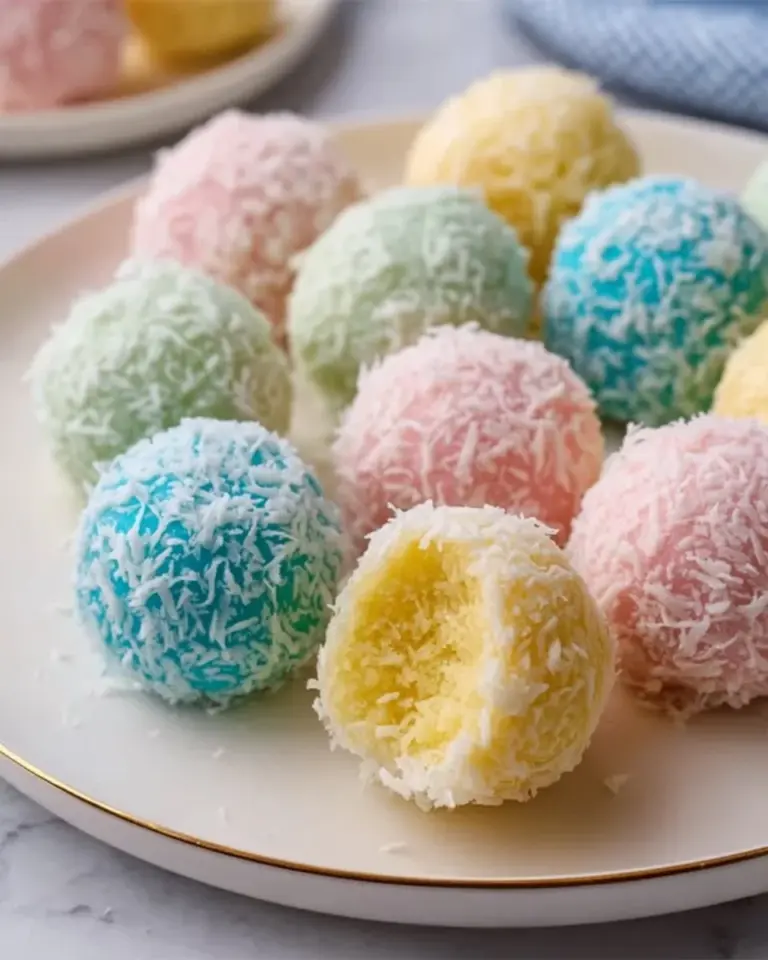
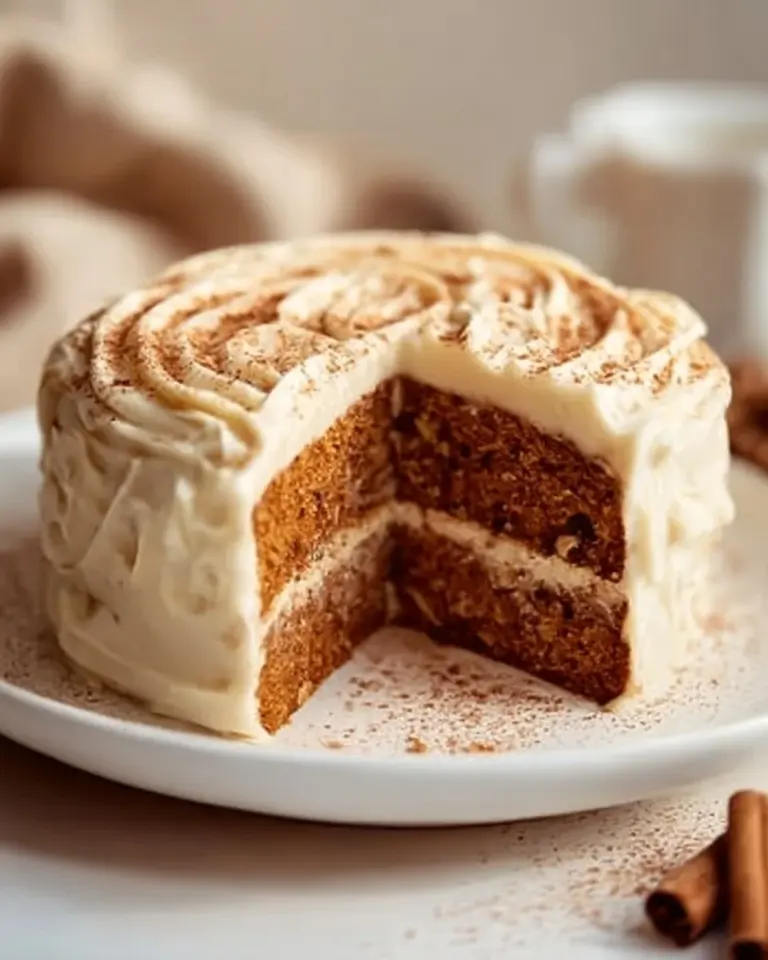
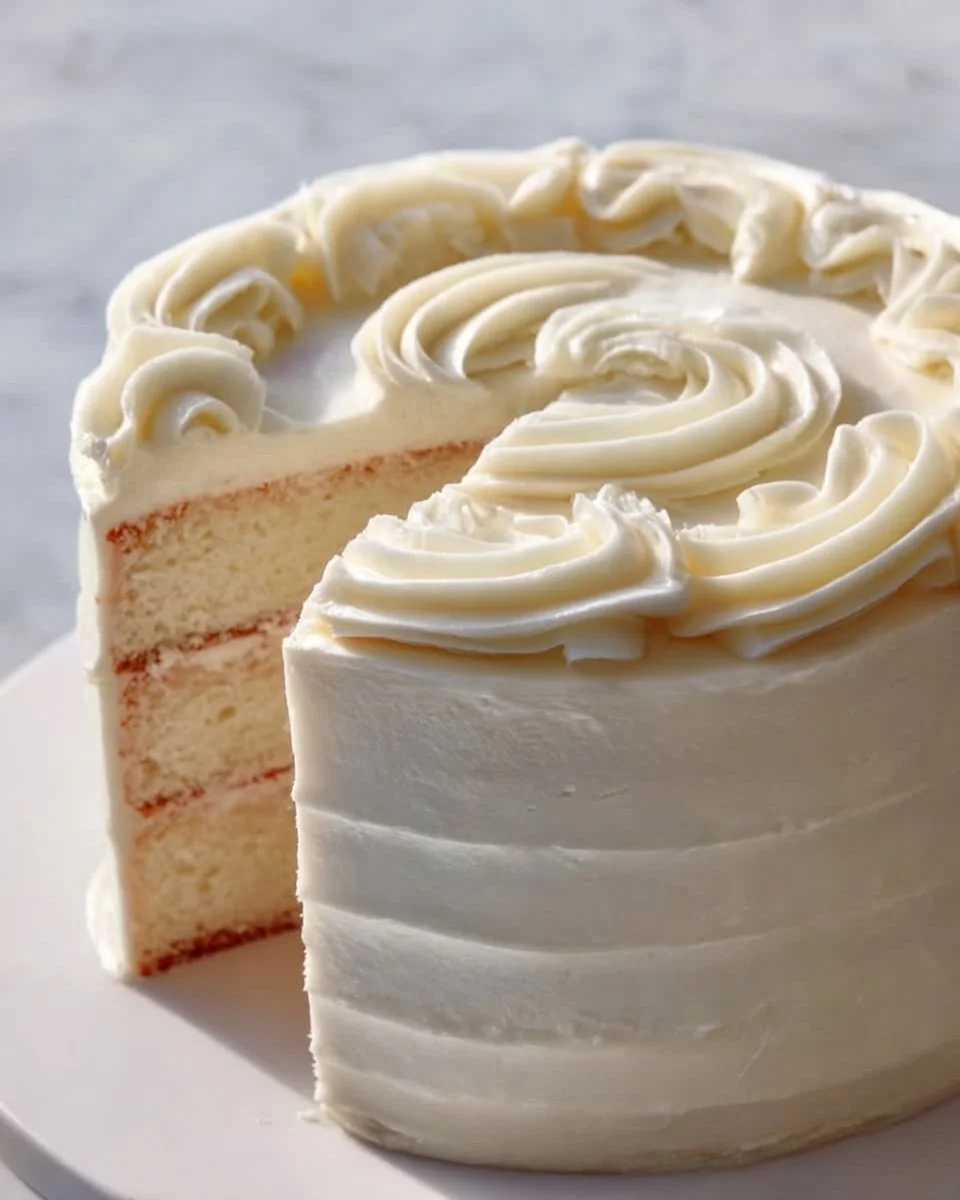
Wondering what to serve alongside this delectable Coconut Buttercream Frosting? Pair it with a classic vanilla sponge cake or coconut cupcakes to truly celebrate the tropical flavors. As for presentation, consider decorating with toasted coconut flakes on the top for that extra wow factor. This frosting works beautifully for summer gatherings, wedding receptions, or even a cozy cake night at home!
Variations & Substitutions
- Chocolate Coconut Buttercream: Swap out 1/2 cup of powdered sugar for cocoa powder to create a chocolatey version.
- Lemon Coconut Frosting: Add 1 tablespoon of lemon zest to brighten up the flavor.
- Vegan Version: Use plant-based butter and almond or oat milk instead of coconut milk for a delightful dairy-free alternative.
- Seasonal Flavors: For autumn, consider adding a teaspoon of cinnamon for a spiced twist.
Nutrition & Storage Info
- Prep Time: 10 minutes
- Cook Time: 0 minutes
- Total Time: 10 minutes
- Yield: Approximately 3 cups (enough to frost a 3-layer cake or 24 cupcakes)
- Estimated Calories per Serving: Approximately 150 calories (varies depending on serving size)
- Storage Instructions: Keep at room temperature for up to 2 hours. For longer storage, refrigerate for up to one week or freeze for up to three months.
FAQ Section
Can I use salted butter instead of unsalted?
Yes, you can, but it may alter the balance of sweetness. Just reduce the added salt in your recipe if possible.What if my frosting is too sweet?
Try adding a pinch of salt or a bit more coconut milk to balance out the sweetness.How do I get a stiffer consistency for piping?
Chill the frosting in the fridge, or add more powdered sugar until you achieve the desired stiffness.Can I use fresh coconut instead of shredded?
Absolutely! Just make sure to finely grate and dry out fresh coconut to avoid excess moisture.Is this frosting suitable for stacking cakes?
Yes! Ensure the frosting is chilled prior to stacking layers to maintain stability.Are there any coconut-free substitutes for this recipe?
You can use almond or soy milk and omit the shredded coconut for a different flavor profile.How can I incorporate coconut extract into this recipe?
You can substitute half of the vanilla extract with coconut extract for an intensified coconut flavor.Is there a way to make this frosting healthier?
You could try reducing the sugar and use a sugar substitute or coconut oil, though the texture may differ.Can I store this frosting in the freezer?
Yes, package it in an airtight container and ensure no air is trapped inside.How do I bring refrigerated frosting back to life?
Re-whip it with a mixer for a minute or two to regain its original creaminess.
Conclusion
This Coconut Buttercream Frosting isn’t just a recipe; it’s a celebration of flavor and family tradition. With its tropical flair and smooth texture, it’s bound to elevate any dessert from ordinary to extraordinary. I wholeheartedly encourage you to give this delicious frosting a try. And trust me, once you taste it, you’ll wonder how you ever lived without it!
I’d love to hear how your Coconut Buttercream Frosting turns out! Share your thoughts in the comments below, and don’t forget to explore more delightful recipes on my blog for further baking adventures. Happy frosting!