Unforgettable Moist Salmon Recipes & Food Science Tips for Perfect Results!
There are few meals that evoke a sense of warmth and comfort quite like a perfectly cooked salmon dish. I still remember the first time I prepared salmon for my family; I was so nervous! I had seen so many recipes promising great results, but nothing could have prepared me for the sheer joy on their faces when they took that first bite. The melt-in-your-mouth texture and layers of flavor were everything I wanted it to be and more! That’s what inspired me to dive deeper into the world of Moist Salmon Recipes + Food Science Tips for Best EVER Results!
What makes these recipes stand out is not just the flavor or the texture but the knowledge behind them. By embracing the science of cooking, I learned how to achieve that tender, flaky perfect salmon that many home cooks struggle with. You’ll find tips on everything from selecting the freshest fish to tweaking cooking times to suit your taste.
Not only do these recipes create something scrumptious for the dinner table, but they also weave memories of shared meals with loved ones – a true comfort food staple. Whether it’s a cozy family gathering or a special occasion, I promise you’ll be equipped with all the knowledge you need to create your very own masterpiece. Get ready to dive into an experience that will change your salmon game forever!
What are Moist Salmon Recipes + Food Science Tips for Best EVER Results!?
The art of cooking salmon has a rich history that spans continents, but the modern approach has taken a delicious twist thanks to scientific insights. Essentially, moist salmon recipes revolve around the perfect balance of heat, timing, and moisture, with a touch of flavor magic.
Imagine a bite of salmon that has a crispy exterior yet is incredibly tender and succulent on the inside. That’s what we aim for! The unique combination of techniques and ingredients makes these recipes a game-changer. Incorporating elements such as brining, marinating, and precise cooking temperatures guarantees results that are simply out of this world.
So, when should you whip up these delights? These recipes are perfect for a weeknight dinner when you want something quick yet impressive, a dinner party to wow your guests, or even just to treat yourself after a long day. Incorporating the knowledge gained from food science will elevate your dish from mediocre to magnificent.
Why You’ll Love This Recipe
Here are five compelling reasons why you’ll absolutely love these moist salmon recipes:
Restaurant Quality at Home: Forget those pricey dining options! With these recipes, you can achieve professional-level results without breaking the bank. There’s something truly satisfying about serving a gourmet meal right from your own kitchen.
Cost-Effectiveness: Salmon can seem a bit pricey, but when you prepare it at home, you’ll save a lot compared to restaurant prices. Plus, with these exact recipes, you’ll have enough leftovers to enjoy another day or two!
Customization: The beauty of these recipes lies in their versatility. From spices to accompaniments, feel free to personalize them to fit your taste. Whether you like it seasoned simply with lemon and dill, or savory with a kick of teriyaki, you’re in control!
Easy & Efficient: With such straightforward instructions, you’ll be amazed at how simple it is to whip these up. You don’t need to be a culinary genius to execute these recipes, just a little patience and the right technique.
Family-Friendly Fun: These dishes are not just for the seasoned cook; they’re great for the whole family! Invite your kids to help out with simple tasks. I’ve often found that sharing the cooking experience leads to a delightful family meal surrounded by laughter, shared duties, and—most importantly—delicious food!
So, are you ready to master the art of moist salmon recipes? Let’s take this culinary journey together!
Ingredients Section
Essential Salmon Ingredients:
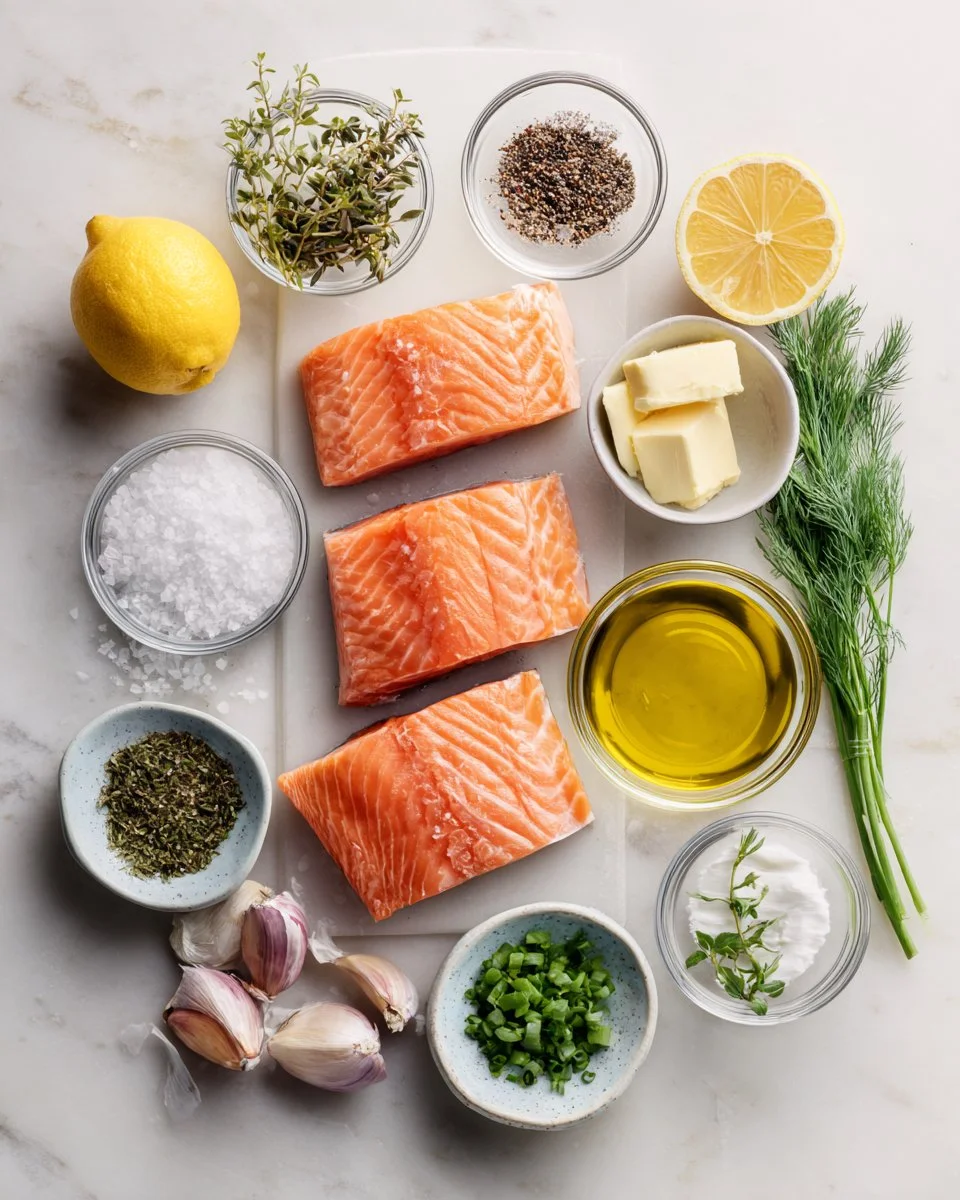
Fresh Salmon Fillets: Look for high-quality, wild-caught salmon when possible. It has a superior taste compared to farmed varieties.
Room Temperature Butter: This helps to ensure an even, rich flavor throughout your dish. Brands like Kerrygold make a delicious choice.
Olive Oil: Use a high-quality extra virgin olive oil for drizzling later, enhancing the flavors beautifully.
Fresh Herbs: Such as dill or parsley, for brightening the dish. These can be fresh or dried based on availability.
Lemon: Freshly squeezed lemon juice adds brightness and acidity, bringing out the flavor of the salmon.
Salt & Pepper: Essential for seasoning; a flaky sea salt can enhance the textures.
Optional Add-Ins
- Chili Flakes: For those who enjoy a spicy kick!
- Honey or Brown Sugar: To balance the flavors, along with garlic for a more savory depth.
Prep Notes: Always start with your ingredients prepared and ready to go. Ensure that your butter is at room temperature for easy mixing and incorporation.
Step-by-Step Instructions
Preheat Your Oven or Grill: Get your cooking equipment ready. For an oven, preheat to 375°F (190°C). This is the ideal temperature for a beautifully cooked salmon that retains moisture.
Prep the Salmon: Gently pat your salmon dry with a paper towel and lay it skin-side down on your baking sheet lined with parchment paper. This will create an easy cleanup afterward!
Season Generously: In a small bowl, blend softened butter with herbs, salt, pepper, and lemon juice. Spread this mixture evenly over the salmon fillets. Trust me; you want generous coverage for optimal flavor.
Bake/Grill: Place your salmon in the oven or on a preheated grill. Cook for about 15-18 minutes, depending on the thickness of your fillets. A common cue is to watch for flaking—your salmon should easily flake with a fork when done.
Finish Off: If you want a crispy skin, broil the salmon for the last 2-3 minutes, but keep an eye on it to avoid burning.
Chef’s Tip: Always measure your salmon thickness for more precise cooking times! Also, pulling it out just a minute or two earlier can help maintain moisture.
Common Mistakes to Avoid: Remember that overcooking is the number one enemy of salmon. Use a meat thermometer to check; the internal temperature should be 145°F (63°C).
Expert Tips & Tricks
Invest in a Meat Thermometer: This will help you avoid overcooking and ensure perfect salmon every time.
Brining: Consider a light brine for about 20-30 minutes prior to cooking. This adds moisture and flavor, ensuring your salmon is irresistibly juicy.
Make-ahead Options: You can season your salmon a few hours in advance and store it in the fridge; just let it come to room temperature before cooking.
Leftover Salmon: Use any extra salmon in salads, pasta dishes, or on toast—get creative!
Storage Recommendations: Cooked salmon can be stored in the fridge for up to 3 days in an airtight container. For longer storage, freeze it in a tight bundle wrapped in plastic for up to 3 months.
Serving Suggestions
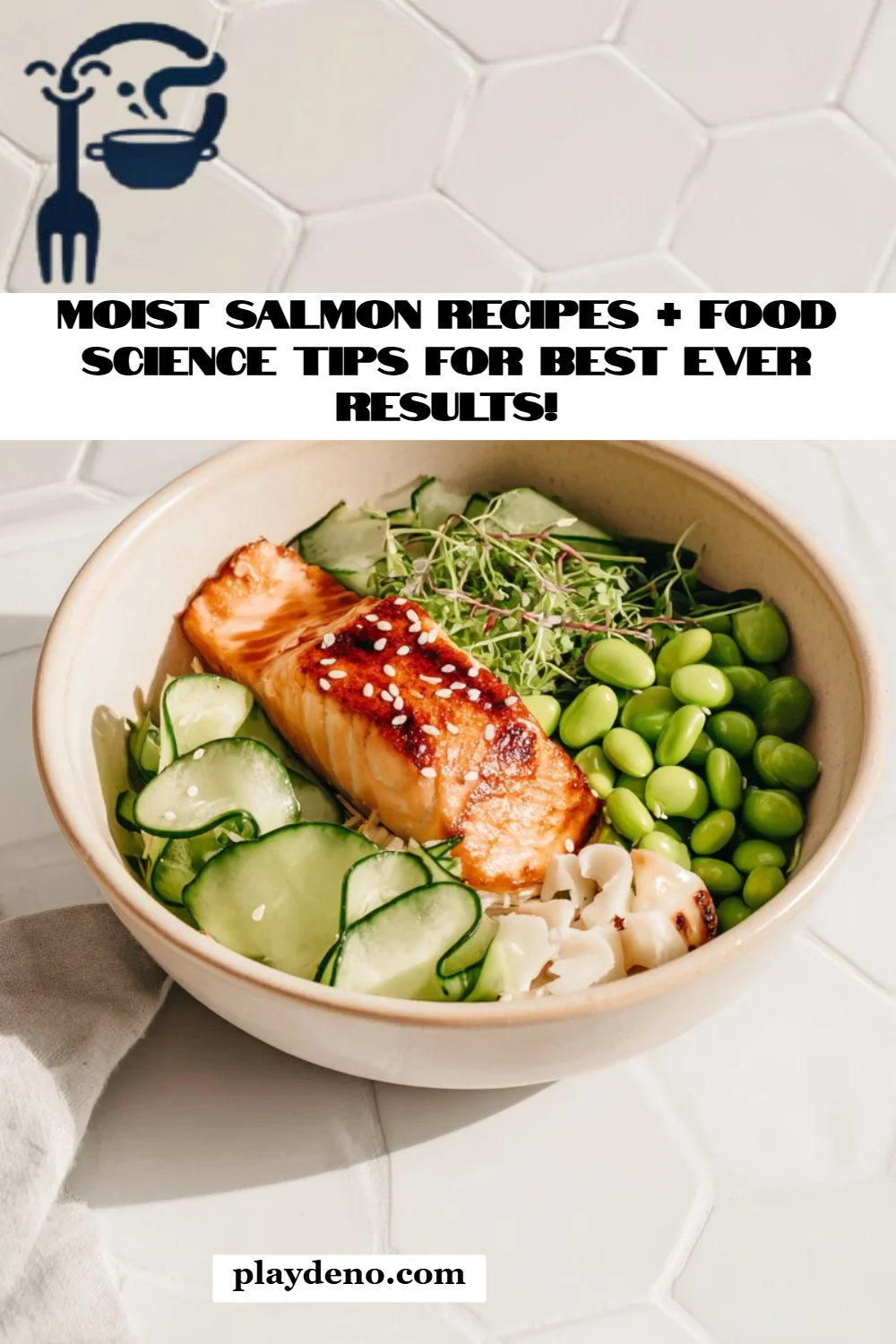
Pair your delectable salmon with a light, crisp salad or roasted vegetables for a well-rounded meal. For an elegant touch, serve it alongside lemon wedges and a sprinkle of fresh herbs. As for occasions, these recipes shine brightly at family gatherings, romantic dinners, or even casual get-togethers with friends!
Variations & Substitutions
Feeling adventurous? Here are some flavor profiles you might explore:
- Mediterranean Delight: Top salmon with olives, capers, and sun-dried tomatoes.
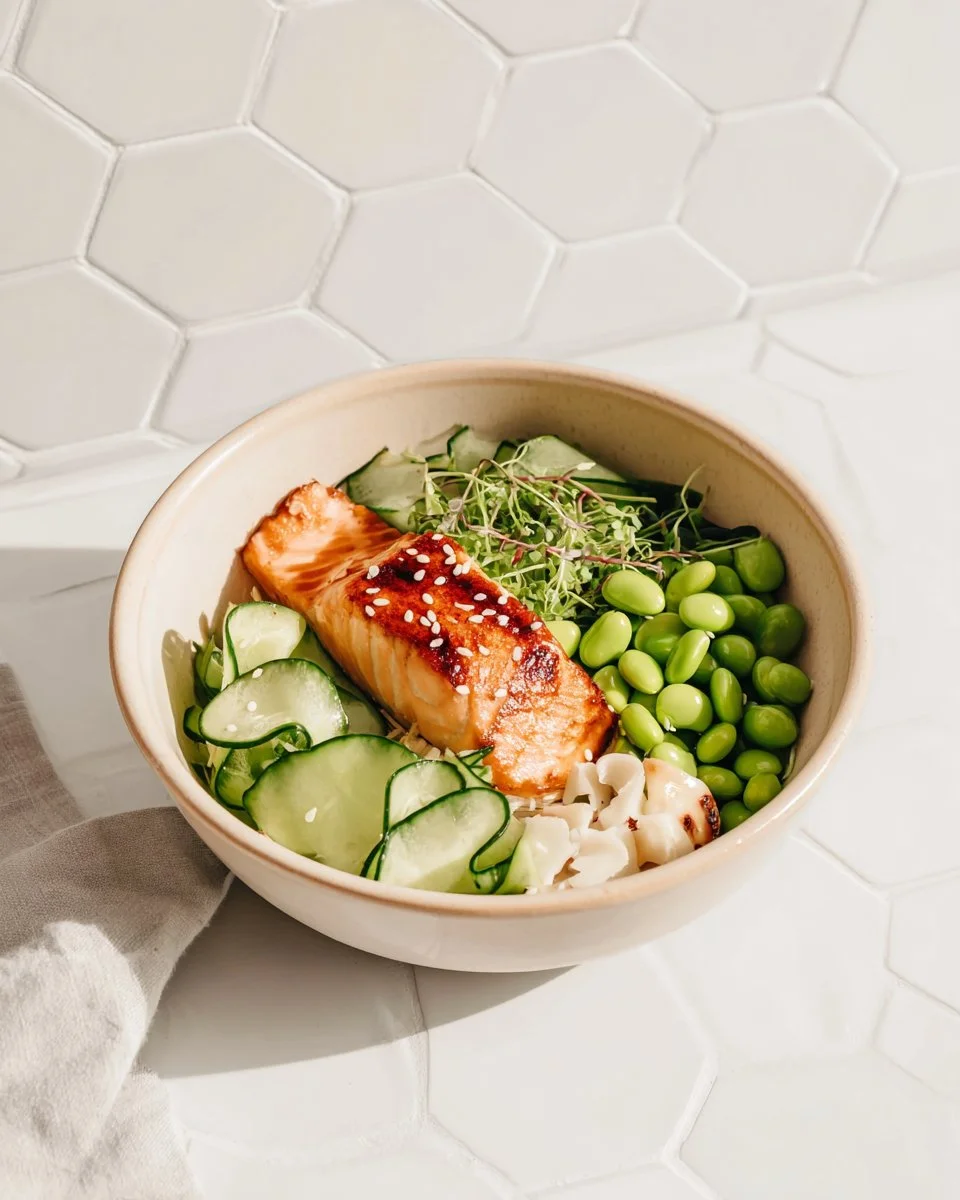
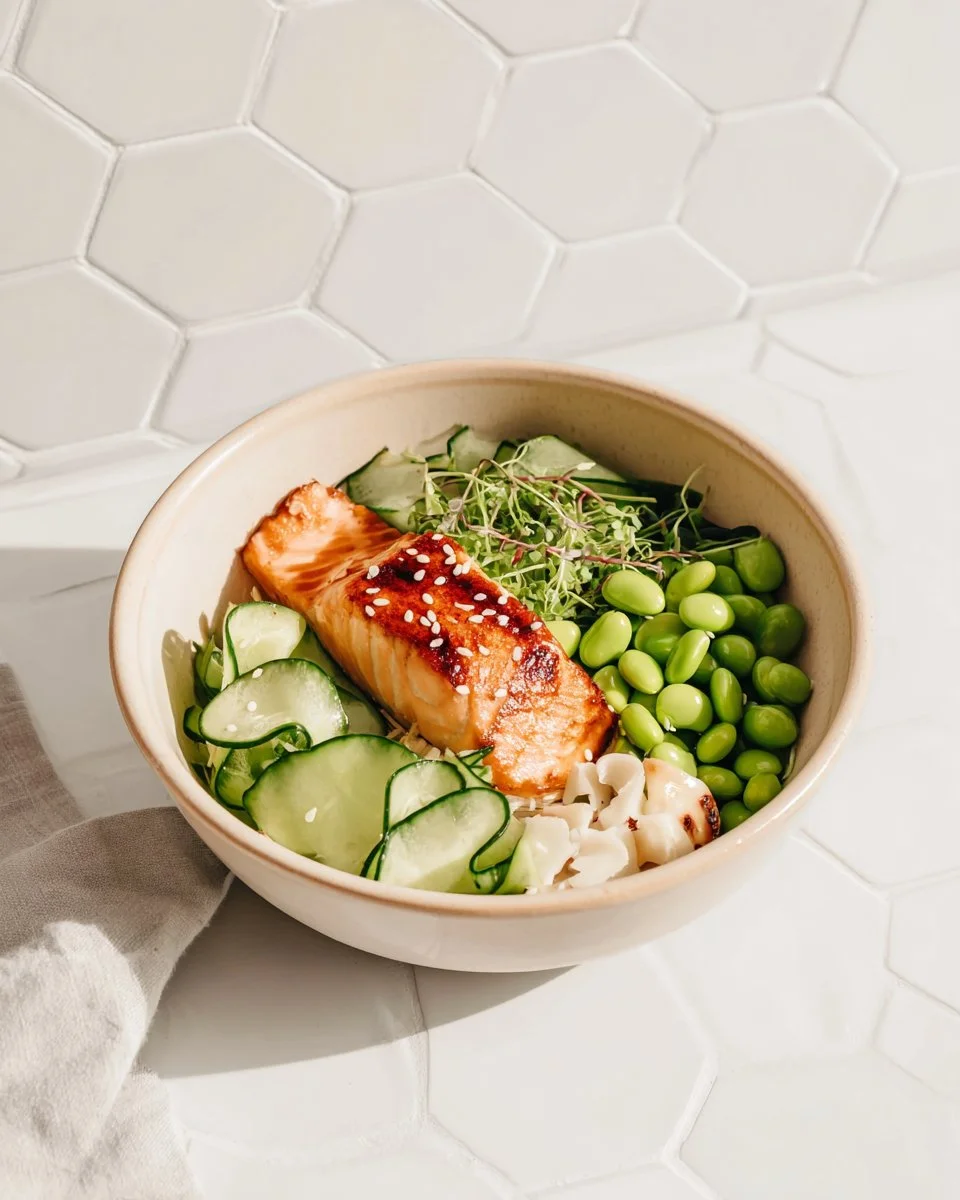
- Asian-Inspired: Use soy sauce, ginger, and sesame oil for a flavorful glaze.
- Vegan Alternatives: If you’re cooking for someone with dietary restrictions, try using plant-based products like tofu or tempeh, prepared with similar seasoning methods.
Dietary Adaptations
- Gluten-Free Options: Most recipes are inherently gluten-free! Just double-check your sauces and marinades.
- Low-Carb: Serve on a bed of spinach or zucchini noodles for a low-carb meal.
Nutrition & Storage Info
- Prep Time: 15 minutes
- Cook Time: 18 minutes
- Total Time: 33 Minutes
- Yield: Serves 4
- Estimated Calories per Serving: Approx. 350-400 calories
- Storage:
- Room Temperature: Best enjoyed fresh.
- Fridge: Store leftovers in an airtight container for up to 3 days.
- Freezer: Wrap tightly and freeze up to 3 months.
FAQ Section
Can I use frozen salmon for these recipes?
Yes! Just ensure to thaw it completely in the refrigerator before cooking.Should the skin be left on or off?
Leaving the skin on can help keep the salmon moist and aids in cooking.What’s the best way to tell when salmon is done?
When the salmon flakes easily with a fork or has an internal temperature of 145°F (63°C).Are these recipes kid-friendly?
Totally! Kids generally love salmon, especially when paired with their favorite sides.Can I grill salmon instead of baking it?
Absolutely! Grilling gives it a lovely smoky flavor.What’s the best salmon to buy?
Wild-caught salmon is often considered the best option for flavor and sustainability.Can I substitute other fish for salmon?
Yes, trout or sea bass can work great, but be mindful of different cooking times.How can I make it spicier?
Add some chili flakes or a hot sauce glaze for a kick!Can I prepare this dish ahead of time?
You can prep your salmon up to 24 hours in advance and store it in the fridge.Do I need to use the exact ingredients?
No! These recipes are quite flexible; make substitutions based on your taste and what you have on hand.
Conclusion
The art of mastering moist salmon recipes combined with essential food science tips is a culinary adventure worth embarking on. Not only will you emerge as the go-to chef for family dinners, but you’ll also create lasting memories marked by shared meals and laughter around the table. I encourage you to try it out and let your taste buds be your guide! Don’t forget to share your experiences or any variations you’ve tried in the comments.
If you loved this recipe, be sure to check out my other delightful seafood creations on the blog—you might just find your new favorite! Happy cooking!
Moist Salmon
Ingredients
Method
- Preheat your oven to 375°F (190°C) or prepare your grill.
- Gently pat salmon dry and lay skin-side down on a parchment paper-lined baking sheet.
- In a bowl, blend softened butter with herbs, salt, pepper, and lemon juice. Spread evenly over the salmon.
- Cook in the oven or on the grill for 15-18 minutes, watching for flaking.
- To achieve crispy skin, broil for the last 2-3 minutes, monitoring closely.
- Use a meat thermometer to ensure internal temperature reaches 145°F (63°C) to avoid overcooking.
- Consider brining the salmon for enhanced moisture.