
Stretchy Flatbread: The Artisan Bread You Can Perfect at Home
Imagine the sound of a gentle sizzle as your flatbread hits the pan, releasing an irresistible aroma that dances through your kitchen. That first bite is an unforgettable experience—soft, fluffy, and warm, with an exquisite pull that promises a delightful chew. Let’s delve into the world of Stretchy Flatbread, a simple yet satisfying dish that can elevate any meal. You may also find Blog useful.
The Origin & Heritage
Stretchy Flatbread has a rich history in various cultures, often found at the heart of family gatherings. It’s reminiscent of my childhood, where I would watch my grandmother skillfully knead dough in her cozy kitchen, the air filled with warmth and laughter. This flatbread has cultural significance in many parts of the world, serving as a vessel for everything from succulent meats to fresh salads. In Middle Eastern cuisine, for instance, it is traditionally served with aromatic dips and grilled vegetables, making it a symbol of hospitality and community.
The Science of Flavor
The unique combination of ingredients in Stretchy Flatbread transforms simple elements into something extraordinary. Here’s why it works:
- Kneading Develops Gluten: This process adds elasticity, giving the flatbread its characteristic stretch.
- Ghee for Flavor: It not only enhances taste but also contributes to a beautifully golden color.
- Warm Water Activation: It helps in activating gluten and assists in leavening.
- Resting Time: Allowing the dough to rest maximizes its flavor and texture.
- Cooking Temperature: A hot skillet creates those delightful char marks and seals in moisture.
The Ingredients
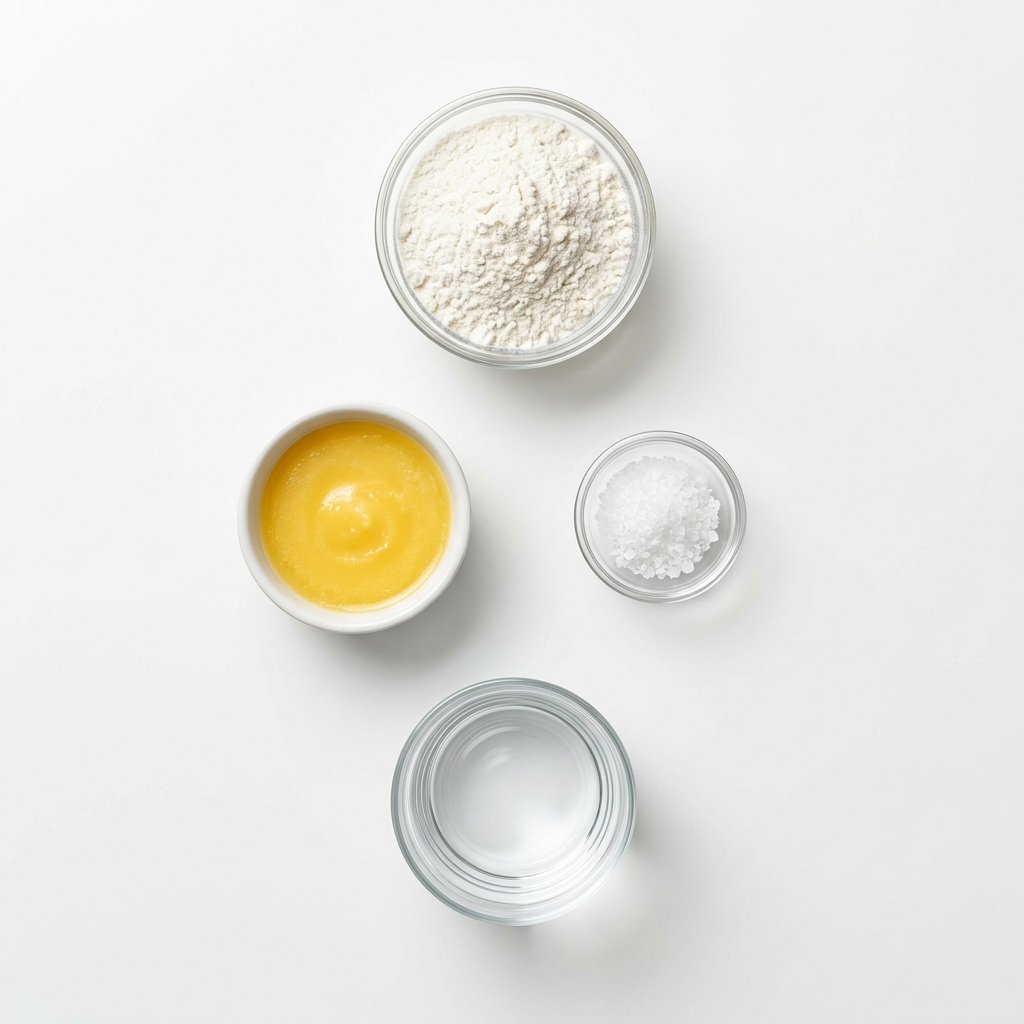
Essential Ingredients:
- Flatbread Flour: 3 cups
- Salt: 1 teaspoon
- Ghee: 2 tablespoons
- Warm Water: 1 cup
- Vegetable Oil or Melted Butter: For oiling the dough
Pro-Note:
- Quality Hack for Ghee: Choose grass-fed ghee for a richer flavor and greater nutritional benefits.
- Quality Hack for Flour: Opt for stone-ground flour to enhance the bread’s texture and taste.
The Masterclass Instructions
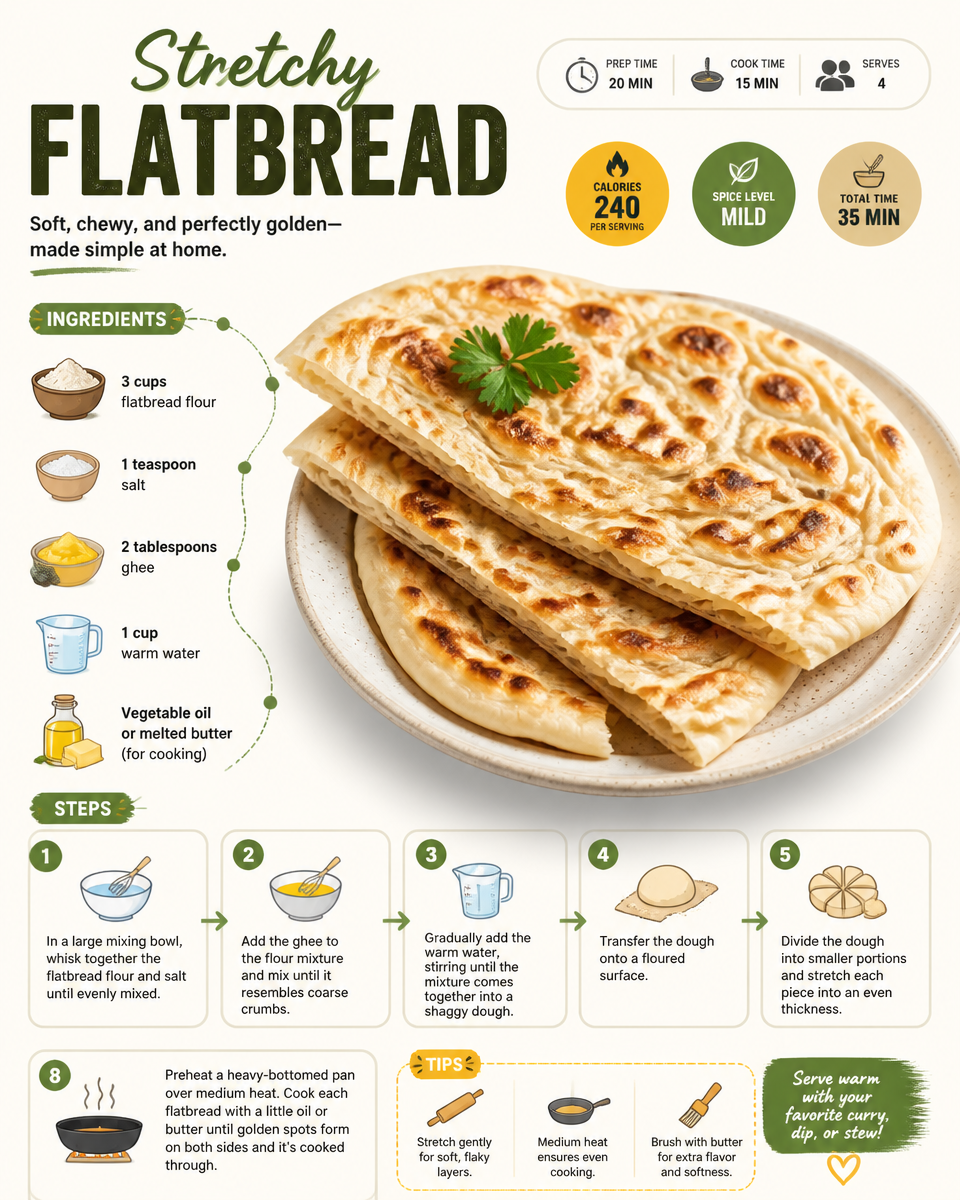
- In a large mixing bowl, whisk together the flatbread flour and salt until evenly mixed.
- Add the ghee to the flour mixture, mixing until it resembles coarse crumbs.
- Gradually add the warm water, stirring until the mixture comes together into a shaggy dough.
- Transfer the dough onto a floured surface and knead for about 10 minutes until it feels smooth and elastic.
- Lightly coat the kneaded dough with vegetable oil to prevent it from drying out.
- Cover the bowl with a damp cloth and let the dough rest for 3 hours.
- Once rested, divide the dough into smaller portions and stretch each piece into an even thickness.
- Preheat a heavy-bottomed skillet over medium heat. Cook each flatbread for about 1-2 minutes on each side until golden and puffed.
A Healthier Perspective
Incorporating Strochy Flatbread into your diet can be nutritious with a few simple tweaks. Here are some tips to boost its nutritional value:
- Add whole grains: Substitute part of the flatbread flour with whole wheat flour for added fiber.
- Include seeds: Mixing flaxseed or chia seeds into the dough can enhance the nutrient profile.
- Healthy fats: Use olive oil instead of ghee for a heart-healthy alternative.
The key ingredient here, flatbread flour, can be a good source of carbohydrates when paired with wholesome fillings, supporting energy levels throughout the day.
The Troublemaker
If you encounter issues with your flatbread, here are three common problems and how to fix them:
- Why did my flatbread turn out tough?: This often happens due to over-kneading. Alternatively, ensure you’re using enough water to maintain moisture.
- Why didn’t my flatbread puff?: Insufficient resting time or a cooler cooking temperature may hinder puffing; make sure to preheat your skillet adequately.
- Why is my flatbread dry?: This could be due to improper oiling. Always ensure the dough is lightly coated to maintain hydration.
The Art of Serving
Serving your Stretchy Flatbread can enhance its appeal. Consider these suggestions for an inviting presentation:
- Pair with fresh dips: Serve with a tangy yogurt dip or your favorite hummus.
- Offer fresh herbs: Garnish with cilantro or parsley for an aromatic touch.
- Drink pairings: A light tea or fresh lemonade complements the flatbread perfectly, heightening the overall dining experience.
The Dietary Lab
Vegan:
Replace ghee with olive oil or coconut oil. Ensure your fillings are free from animal products.
Gluten-Free:
Use a gluten-free flour blend designed for baking flatbreads to achieve a similar taste and texture.
Keto:
Instead of flour, explore alternatives like almond or coconut flour, which also adds a unique flavor to your flatbread.
Storage & Revival
- Yield: 6-8 pieces
- Prep Time: 15 minutes
- Cook Time: 2 minutes per side
The Revival Rule: For perfect reheating, use an oven or air fryer to crisp up your flatbread, maintaining its delightful texture. Avoid microwaving, as it can become rubbery and lose its charm.
Mandatory FAQ
What type of flour is best for flatbread?
I recommend using flatbread flour or all-purpose flour for optimal texture.
Can I make flatbread ahead of time?
Yes, you can prepare the dough and refrigerate it for a day before cooking.
How do I know when the flatbread is done cooking?
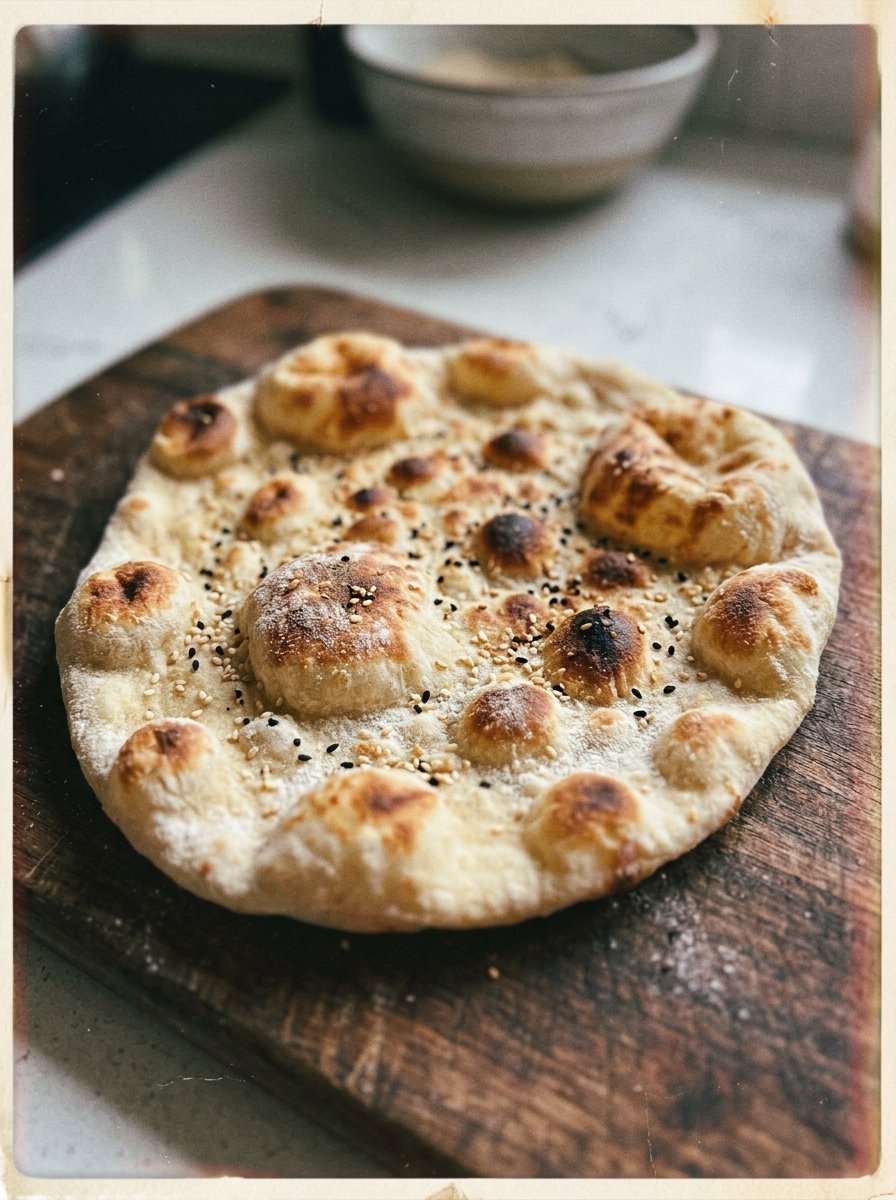
Look for a golden-brown color and slight puffing; that’s a good sign!
What can I use instead of ghee?
You can use vegetable oil or olive oil as a suitable alternative.
Can I freeze the flatbread?
Absolutely! After cooking, let it cool, wrap it well, and freeze.
Is flatbread healthy?
It can be a healthy option, especially when made with whole grains and nutritious fillings.
What can I serve with flatbread?
Pair it with dips like hummus, salads, or grilled vegetables for a delicious meal.
How do I stretch the dough without tearing it?
Use gentle hands and allow the dough to rest to relax the gluten for easier stretching.
Can I add flavors to my flatbread?
Yes, consider adding herbs and spices to the dough for extra flavor!
What should I do if my dough is too sticky?
Add a little more flour gradually until it reaches the desired consistency.
The Final Bite
Bringing the magic of Stretchy Flatbread into your kitchen is not just about the end product; it’s about the journey of creating something delicious and memorable. Leave a comment below if you tried the Stretchy Flatbread! Enjoy it alongside other delightful recipes like Easy Pasta Salad, Pesto Pasta Salad, and Herby Lemon Chicken Pasta Salad.
Conclusion
The process of making Stretchy Flatbread connects you to culinary traditions that transcend time. For more tips on making different types of flatbreads, check out this insightful resource on stretchy Lebanese flatbread.
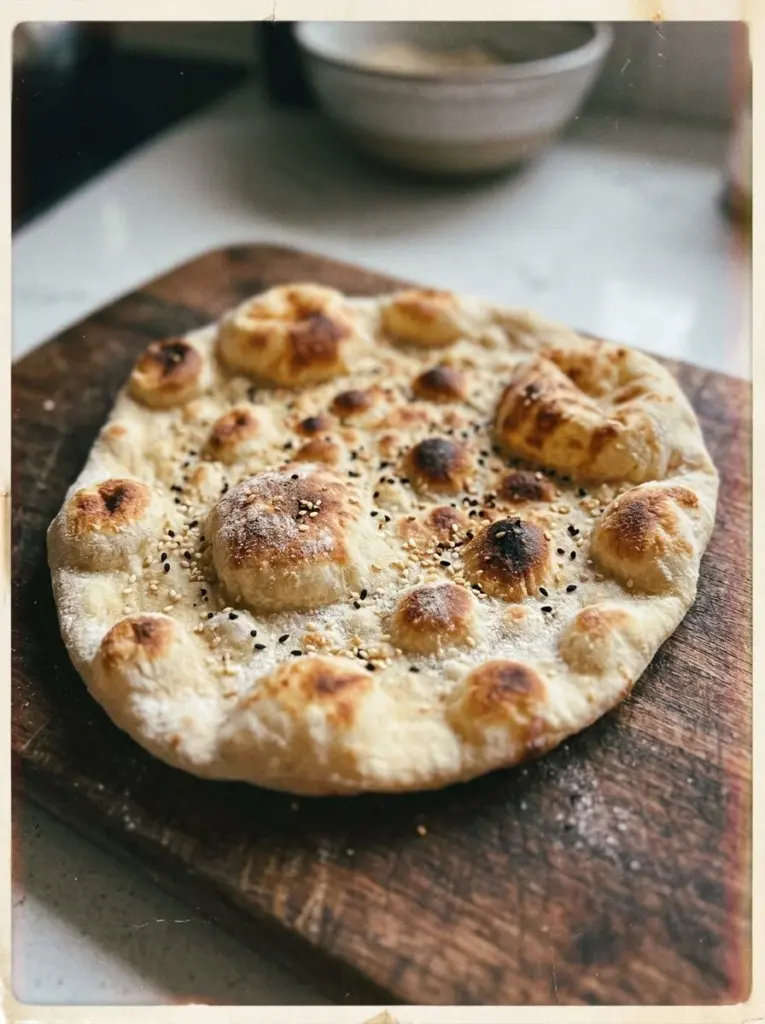
Stretchy Flatbread
Ingredients
Method
- In a large mixing bowl, whisk together the flatbread flour and salt until evenly mixed.
- Add the ghee to the flour mixture, mixing until it resembles coarse crumbs.
- Gradually add the warm water, stirring until the mixture comes together into a shaggy dough.
- Transfer the dough onto a floured surface and knead for about 10 minutes until it feels smooth and elastic.
- Lightly coat the kneaded dough with vegetable oil to prevent it from drying out.
- Cover the bowl with a damp cloth and let the dough rest for 3 hours.
- Once rested, divide the dough into smaller portions and stretch each piece into an even thickness.
- Preheat a heavy-bottomed skillet over medium heat.
- Cook each flatbread for about 1-2 minutes on each side until golden and puffed.