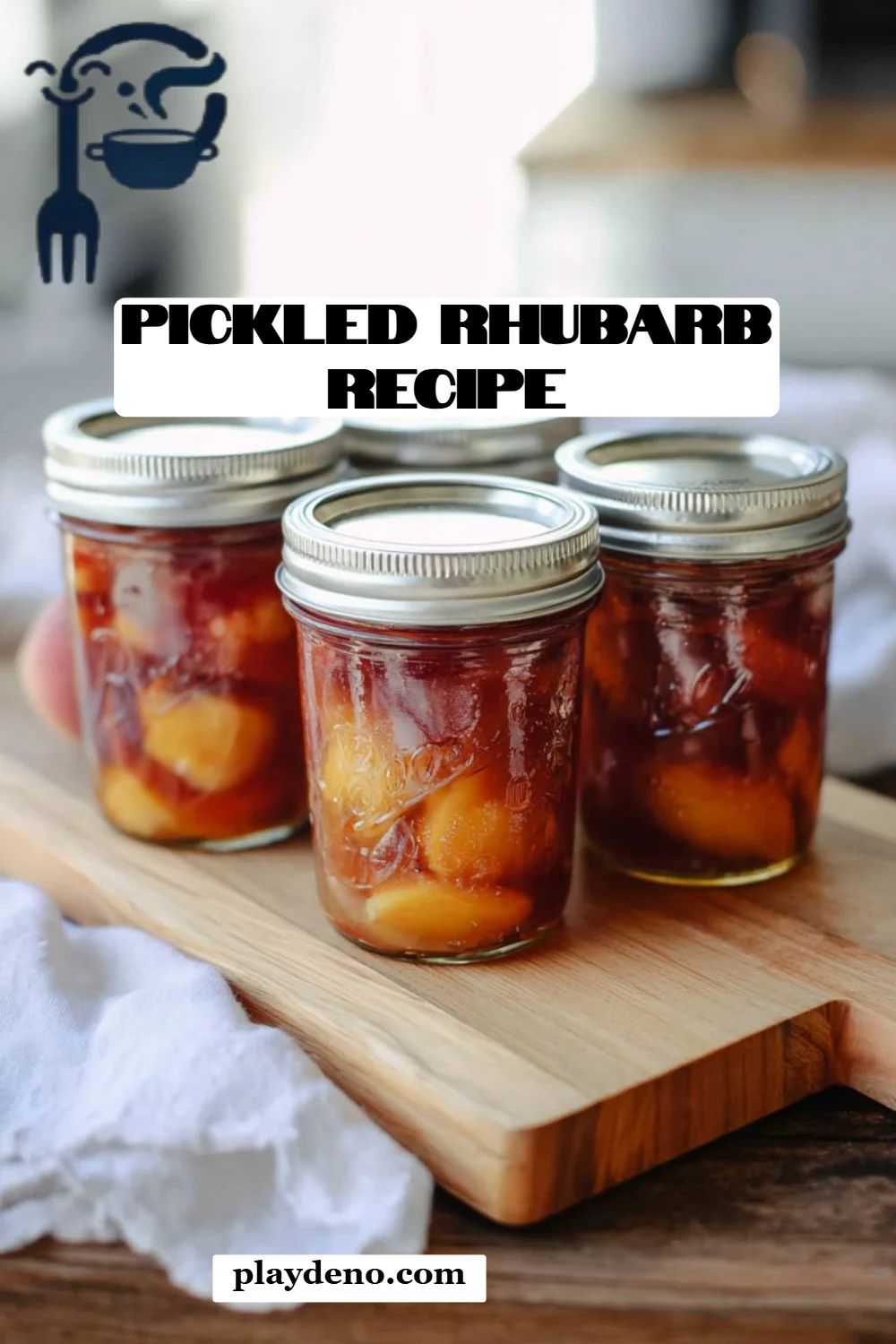
Delightfully Tangy Pickled Rhubarb Recipe: A Flavorful Twist You’ll Love!
I still remember the thrill of harvesting rhubarb from my grandmother’s garden every spring. That tart, vibrant stalk always inspired her to whip up her famous Pickled Rhubarb Recipe, which danced perfectly between sweet and tangy. I’d watch in awe as she transformed simple ingredients into jars of vibrant pink delight, each bite conjuring memories of family gatherings and laughter-filled meals.
What sets my version of pickled rhubarb apart is not just the medley of spices but the balance of flavors that elevate this humble vegetable into something truly special. Unlike store-bought varieties, which can be overly sweet, my recipe allows the natural tartness of rhubarb to shine through while harmonizing with warm notes of cinnamon and ginger. It’s more than just a condiment; it’s a vessel of nostalgia and comfort that pairs beautifully with cheeses, grilled meats, or a simple charcuterie board.
In this post, I’m excited to share my treasured Pickled Rhubarb Recipe with you, guiding you step-by-step through the process. Get ready to learn how to create your own zingy jars of joy that will become a beloved staple in your kitchen!
What Are Pickled Rhubarb?
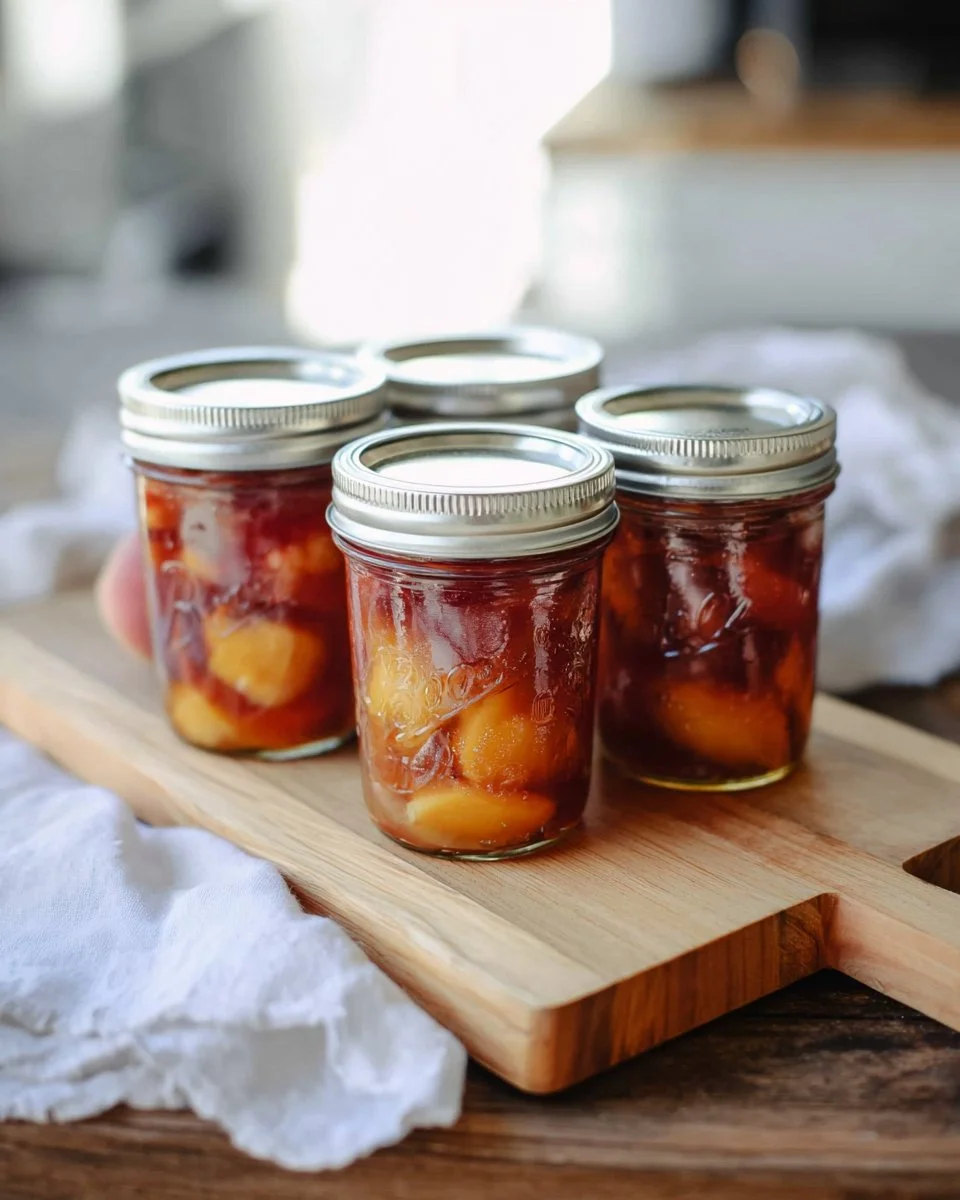
Pickled rhubarb is a delightful preservation method for this tangy vegetable, where it is submerged in a sugar and vinegar brine, creating a bold, zesty flavor profile. Originating in ancient China, rhubarb has been cherished for its unique tartness and culinary versatility. When pickled, its crunchy texture combines beautifully with spices like mustard seeds, cinnamon, and bay leaves, making it an irresistible addition to countless dishes.
The taste experience of pickled rhubarb is a culinary adventure, offering a combination of sweet, sour, and spicy elements. It’s like a flavor explosion that tantalizes your taste buds, perfect for adding an unexpected twist to your meals. Whether served as a side dish, salad topper, or standalone snack, pickled rhubarb can elevate even the simplest recipes.
This pickling process allows you to preserve rhubarb beyond its growing season, making it ideal for spring and summer gatherings but equally enjoyable year-round. Trust me, once you embark on this pickling journey, you’ll find yourself craving this zingy condiment in all types of culinary situations!
Why You’ll Love This Recipe
Here are five compelling reasons why my Pickled Rhubarb Recipe will become your new favorite:
Freshness and Flavor: Homemade pickled rhubarb captures the essence of fresh rhubarb straight from the garden. Unlike store-bought versions, which can sometimes taste overly processed or syrupy, this recipe balances sweetness and tartness, giving your dishes a fresh kick.
Cost-Effective: Making your own pickles at home is incredibly budget-friendly. With just a handful of ingredients—most of which you probably already have—you can create jars of pickled rhubarb that are far more economical than their store-bought counterparts.
Customization: This recipe is incredibly versatile! I love experimenting with different spices and flavor combinations, swapping in herbs like dill or adding in a hint of lemon zest. You have the freedom to make it your own, tailoring it to suit your palate or dietary preferences.
Simple to Make: Even if you’re a pickling newbie, this recipe is straightforward! It requires minimal culinary skill, and with clear step-by-step instructions, you’ll feel like a pro in no time.
Perfectly Preserved: You can make several jars at once, allowing you to stock your pantry or give them as delightful homemade gifts. They’ll last for months—if they last that long in your house!
Are you convinced yet? Let’s dive into making your very own jars of pickled rhubarb!
Ingredients
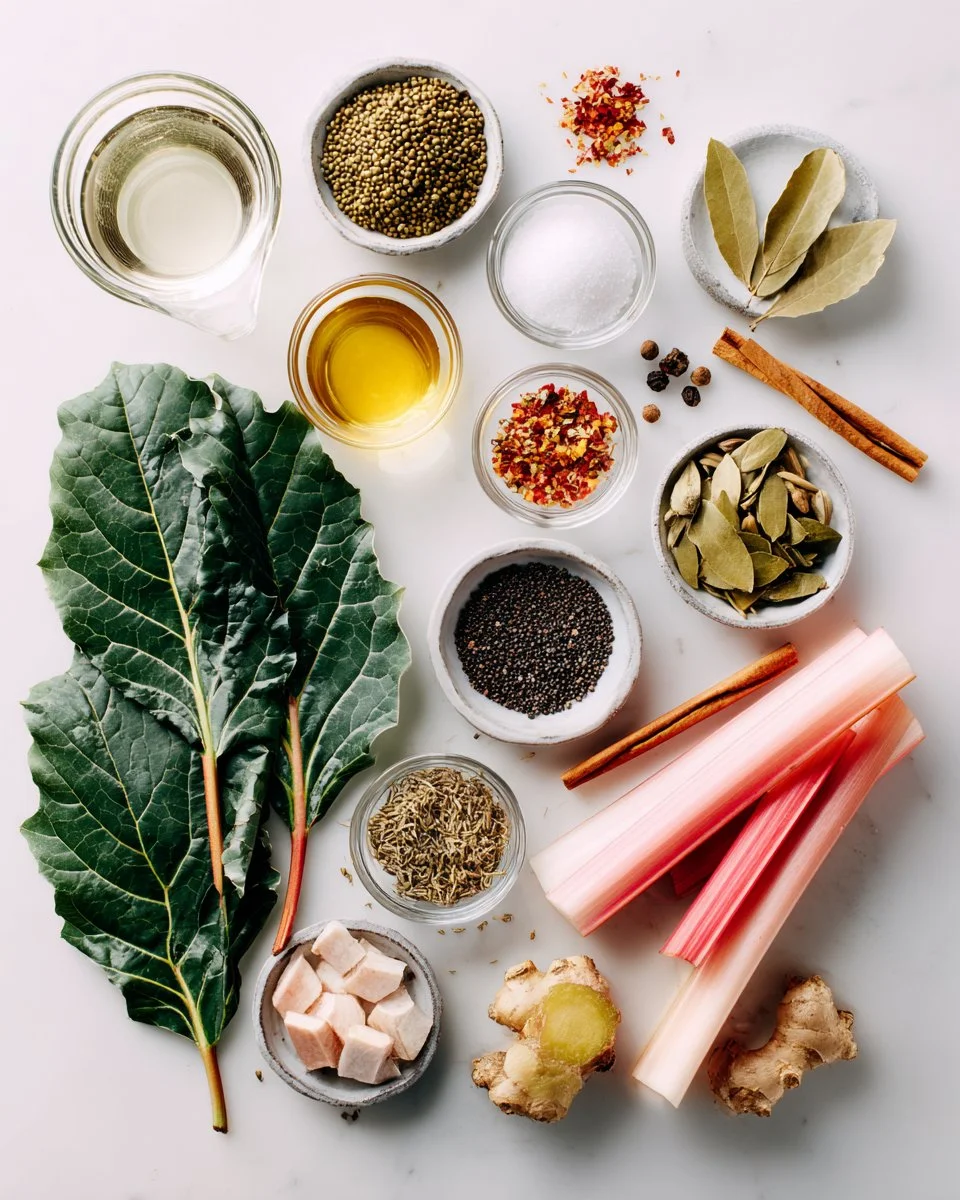
Here’s what you’ll need to create your own Pickled Rhubarb Recipe:
2 cups white vinegar: This will serve as the base of your brine. Any quality vinegar will work, but I prefer the cleaner taste of a good, distilled white vinegar.
1.5 cups sugar: Regular granulated sugar is perfect, but you could experiment with brown sugar for a more caramel-like flavor.
1 cinnamon stick: A fresh stick adds depth; ground cinnamon can substitute, but the stick looks prettier.
5 bay leaves: Enhances the savory notes of the brine.
2 tbsp mustard seeds: Opt for yellow mustard seeds for milder flavor, or use brown for a punchier taste.
1 tbsp coriander seeds: These add a citrusy flavor that brightens the whole dish.
1 tbsp whole black peppercorns: For a bit of warmth.
1 tbsp fennel seeds: A subtle anise hint that pairs wonderfully with the tartness.
2 tsp cardamom seeds: Fresh cardamom can take the flavor to another level.
1 tsp allspice: Just a touch will add warmth.
1 tsp hot pepper flakes: This is optional if you prefer a little heat!
1 tsp whole cloves: For a warming spice note.
1 lb rhubarb (about 6 stalks, sliced diagonally): Fresh, tender stalks will yield the best texture, so get the brightest, firmest rhubarb you can find.
1 2-inch piece fresh ginger (peeled): Adds a delightful zesty warmth.
Notes:
- Make sure to use high-quality, fresh ingredients for the best results.
- If you can’t find rhubarb during off-seasons, feel free to experiment with other crunchy vegetables such as carrots or celery.
- Allow your ingredients (especially sugar) to come to room temperature to facilitate better mixing.
Step-by-Step Instructions
Prepare the Brine
In a medium saucepan, stir together the white vinegar, sugar, cinnamon stick, bay leaves, mustard seeds, coriander, black pepper, fennel, cardamom, allspice, hot pepper flakes, and cloves.Bring to a Boil
Place the saucepan over medium heat and bring the mixture to a boil. Stir regularly until the sugar has completely dissolved, which should take about 3-5 minutes.Simmer
Once boiling, reduce the heat to low and let it simmer for an additional 5 minutes. You should see the spices have inflected their brilliant flavors into the brine.Strain the Liquid
Remove your pan from heat and strain the brine into another container, discarding the solids. You’ll notice how aromatic and enticing it smells!Pack the Rhubarb
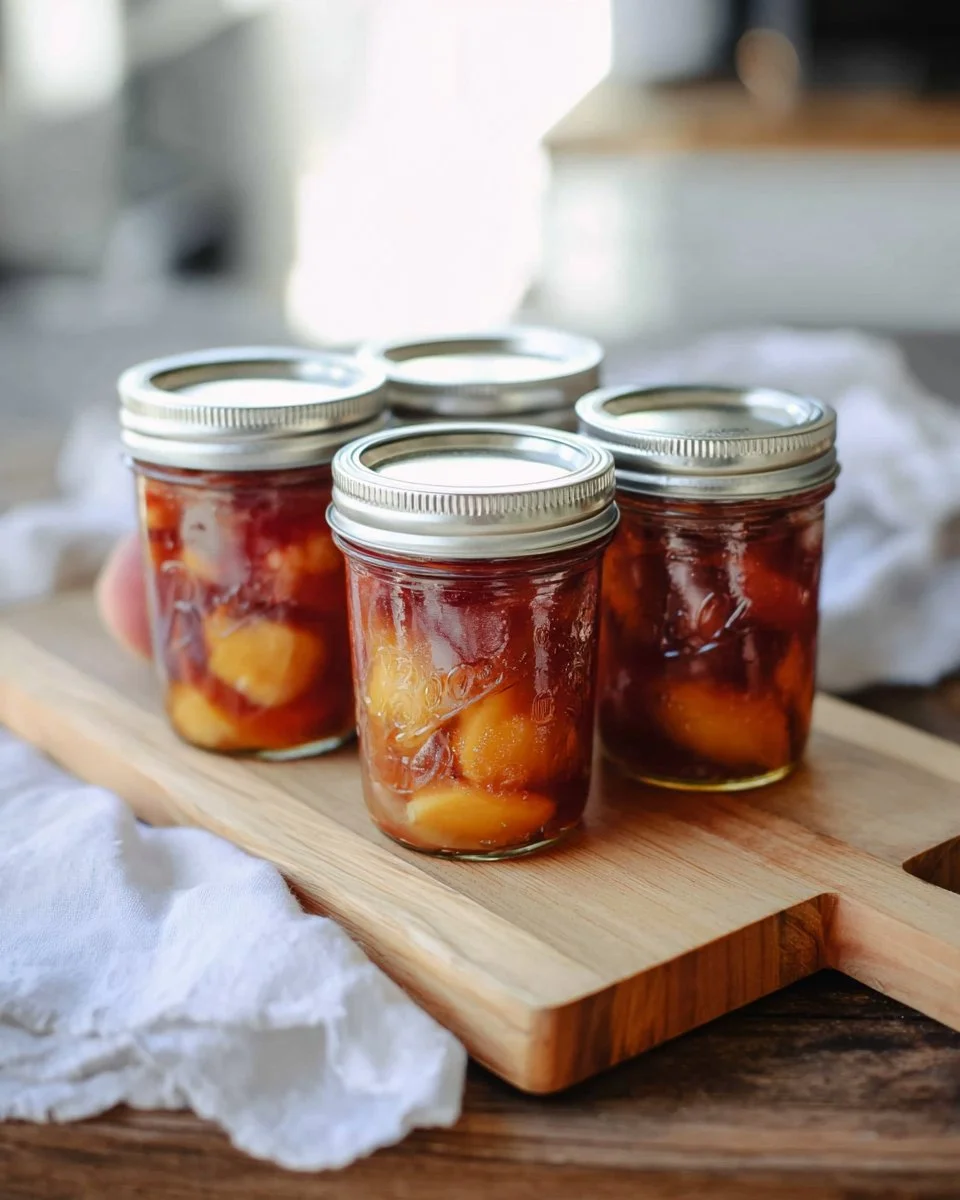
Carefully pack the rhubarb slices into four 250 ml jars (half pint size). Don’t pack them too tightly; leave some space for the brine.Fill the Jars
Pour the hot liquid into the jars, filling to about half an inch below the rim. This will ensure they’re well-pickled while avoiding overflow.Seal the Jars
Center the lids on the jars and screw on the rings until they’re fingertip tight—don’t overdo it!Process in a Boiling Water Bath
To ensure your pickles are shelf-stable, process the jars in a boiling water bath for 10 minutes. Make sure the water covers the jars by at least an inch.Cool and Store
After processing, let the jars cool on a clean kitchen towel or wire rack. Once they’ve cooled, label the jars and store them in a cool, dark place.Wait and Enjoy
Give them at least 24 hours to marinate before digging in. These pickled rhubarb jars will last for up to a year if kept sealed.
Chef’s Tips:
- Always check the seals after they’ve cooled. If any jars didn’t seal properly, just refrigerate and consume them within a few weeks.
- Avoid overcrowding your jars with rhubarb; it needs space to absorb the brine evenly.
Common Mistakes to Avoid:
- Skipping the sanitation of jars can lead to spoilage; always ensure your jars are clean.
- Do not skip simmering the brine; allowing the spices to infuse creates a richer flavor.
Expert Tips & Tricks
Storage Recommendations: Once opened, always store your jars in the fridge, where they’ll remain delicious for up to a month.
Make-Ahead Instructions: These pickles only get better with time! Make them a couple of weeks before a gathering for maximum flavor.
Troubleshooting: If your pickles end up too sweet, simply add a bit more vinegar directly to the jar — it will adjust the flavor balance.
Alternative Jars: If you don’t have the exact 250 ml jars, any mason jars will do! Just ensure they’re appropriately sanitized beforehand.
Vegan-Friendly: All the ingredients in this recipe are plant-based, making it a wonderful option for all dietary preferences.
Flavor Pairing: For an added kick, consider adding some sliced jalapeños to the mix during the packing stage for a spicy twist!
Serving Suggestions
Enjoy your pickled rhubarb as a zesty topping for grilled meat, or slice it thinly to add a crunch to salads. It pairs wonderfully with creamy cheeses for cheese boards and can even brighten up a simple sandwich. Serve with a charcuterie spread, alongside pickled vegetables, cured meats, and artisanal bread for an elegant appetizer.
For a beautiful presentation, layer the pickled rhubarb slices with fresh herbs, or drizzle with some olive oil for a rustic dining experience.
Variations & Substitutions
Experimenting with flavors is part of the fun! Here are some delicious ideas:
Herb-Infused: Add fresh dill or thyme for a herbal flavor. This could lend well to savory dishes.
Whole Fruits: Consider throwing in some whole strawberries or peaches to sweeten the deal while pickling!
Seasonal Picks: In autumn, try adding some pumpkin spice (a blend of nutmeg and cinnamon) for a cozy twist.
Dietary Options: You can swap traditional sugar for a sugar alternative like agave or maple syrup for a low-glycemic option.
Nutrition & Storage Info
- Prep Time: 30 minutes
- Cook Time: 15 minutes
- Total Time: 45 minutes
- Yield: Approximately 4 half-pint jars
- Estimated Calories: About 50 calories per serving
- Storage Instructions: Store unopened jars in a cool, dark place. Once opened, refrigerate and enjoy within 1 month.
- Shelf Life: Sealed jars can last up to 1 year at room temperature; opened jars should be consumed within 1 month.
FAQ Section
How long should I wait before eating the pickled rhubarb?
It’s best to wait at least 24 hours to allow the flavors to marry, but 3-5 days will give you even better results!Can I use frozen rhubarb?
Yes! Thaw it beforehand and drain excess moisture to avoid diluting the brine.What if I don’t like spicy food?
Simply omit the hot pepper flakes—this recipe will still be fabulous without them!Do I need special canning equipment?
Not necessarily! A large pot for boiling water will work as a makeshift canner.Can I reduce the sugar in this recipe?
Absolutely, feel free to adjust the sugar to your preference. However, too little sugar might affect the preservation process.Is there a way to do this recipe with different types of vinegar?
Yes! Apple cider vinegar would add a delightful apple flavor. Just remember it may change the brightness of the finished product.How do I know if my jars are sealed properly?
Once they’re cooled, press down in the center of the lid. If it pops back, it’s not sealed. Reprocess or refrigerate.What’s the best way to serve pickled rhubarb?
Toss it as a topping on grilled meats, salads, or atop cheeses for a beautiful appetizer.Can I use this recipe for other vegetables?
You can definitely experiment with cucumbers, carrots, or even red onions!What’s the best time of year to make pickled rhubarb?
Spring is the season when rhubarb is at its peak, but this recipe can be enjoyed any time of year!
Conclusion
This Pickled Rhubarb Recipe has become a cherished part of my culinary repertoire, blending together memories, flavors, and a bit of nostalgia. It’s not just about making a delicious condiment; it’s about discovering new ways to enjoy rhubarb and share it with loved ones.
I wholeheartedly encourage you to give this recipe a try, whether you’re looking to add zing to your meals or craft some heartfelt homemade gifts. I’d love to hear your feedback or thoughts in the comments below!
And if you’re looking for more exciting recipes to try, check out my blog for inspired dishes that celebrate seasonal ingredients. Happy pickling!